Sometimes Pricefy extracts a price that’s different from the one you see on the competitor’s store. It almost always comes down to one of three things — here’s why, and what you can do.
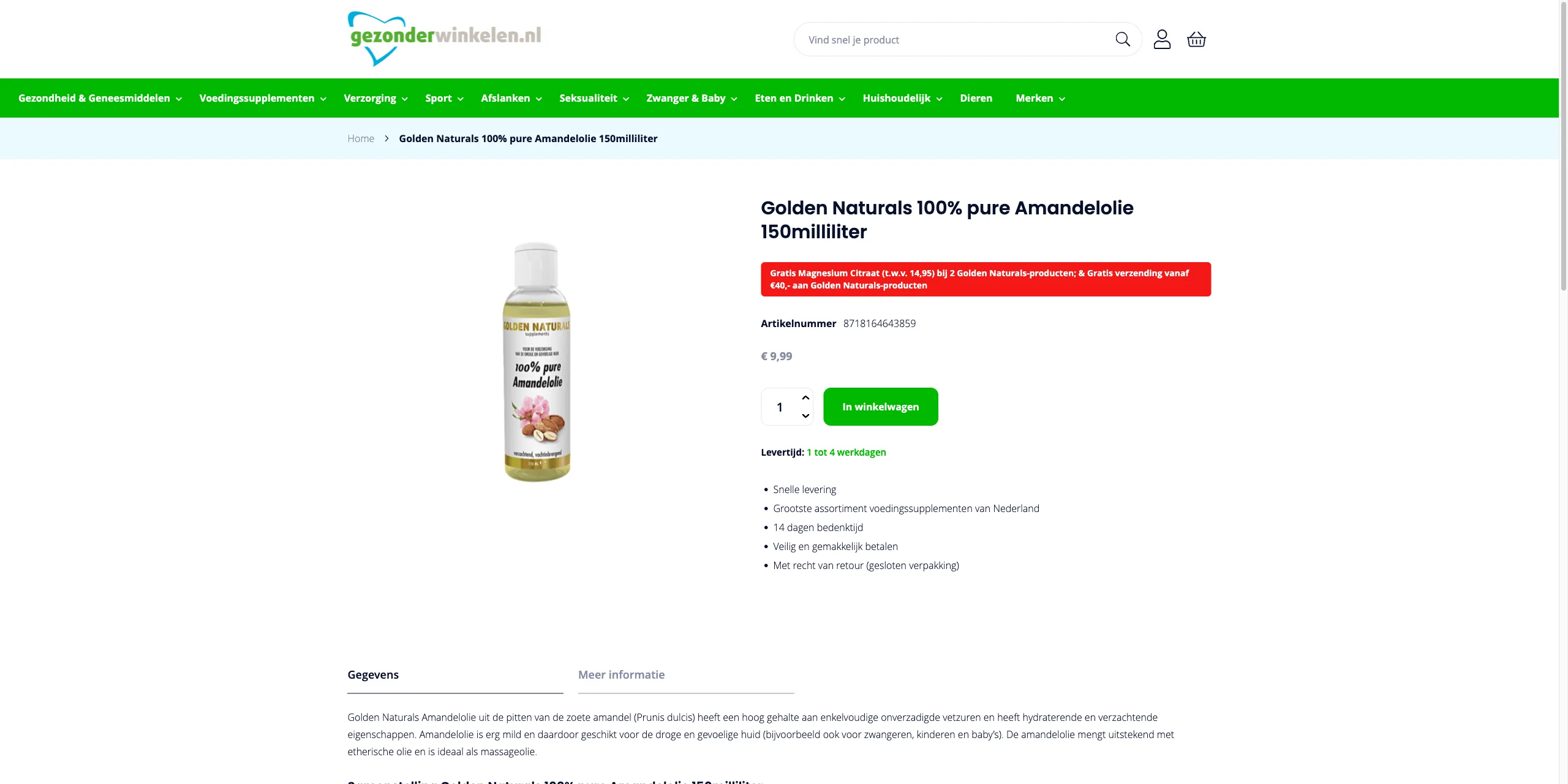
Reason 1: Wrong rich-snippet price
Pricefy first reads the price from the store’s rich snippets (structured data), which can be wrong if the competitor published an incorrect price there. Contact Pricefy via live chat to switch that competitor from snippet to HTML extraction. The price is then taken from the page itself — but HTML extraction can need updating if the competitor later changes their page structure.
A rich snippet is structured data a store embeds in its page for search engines. Pricefy reads the price from it first. For example:
<script type="application/ld+json">
{
  "@type": "Product",
  "name": "Golden Naturals 100% pure Amandelolie 150milliliter",
  "offers": {
    "@type": "Offer",
    "priceCurrency": "EUR",
    "price": "12.99",
    "availability": "https://schema.org/InStock"
  }
}
</script>
On the page this product is shown at € 9.99, but the rich snippet declares € 12.99 — so Pricefy reads € 12.99. Switching this competitor to HTML extraction makes Pricefy take the € 9.99 shown on the page instead.
Reason 2: Different currency
Pricefy’s scrapers run from various locations, and many stores pick the currency from the visitor’s IP. Where the store supports it, you can append the currency to the URL (for example Shopify’s ?currency=EUR). Some stores decide by cookie or IP only — in those cases, contact our team to tie the competitor’s domain to a specific country’s IPs.
Reason 3: Prices shown with or without VAT
A competitor may display a price excluding VAT (hiding the tax-inclusive price behind a login or popup). Pricefy can add a tax percentage to simulate the inclusive amount — see converting tax-exclusive prices. Quantity pricing is another culprit: the same product can list a unit price and lower bulk prices.
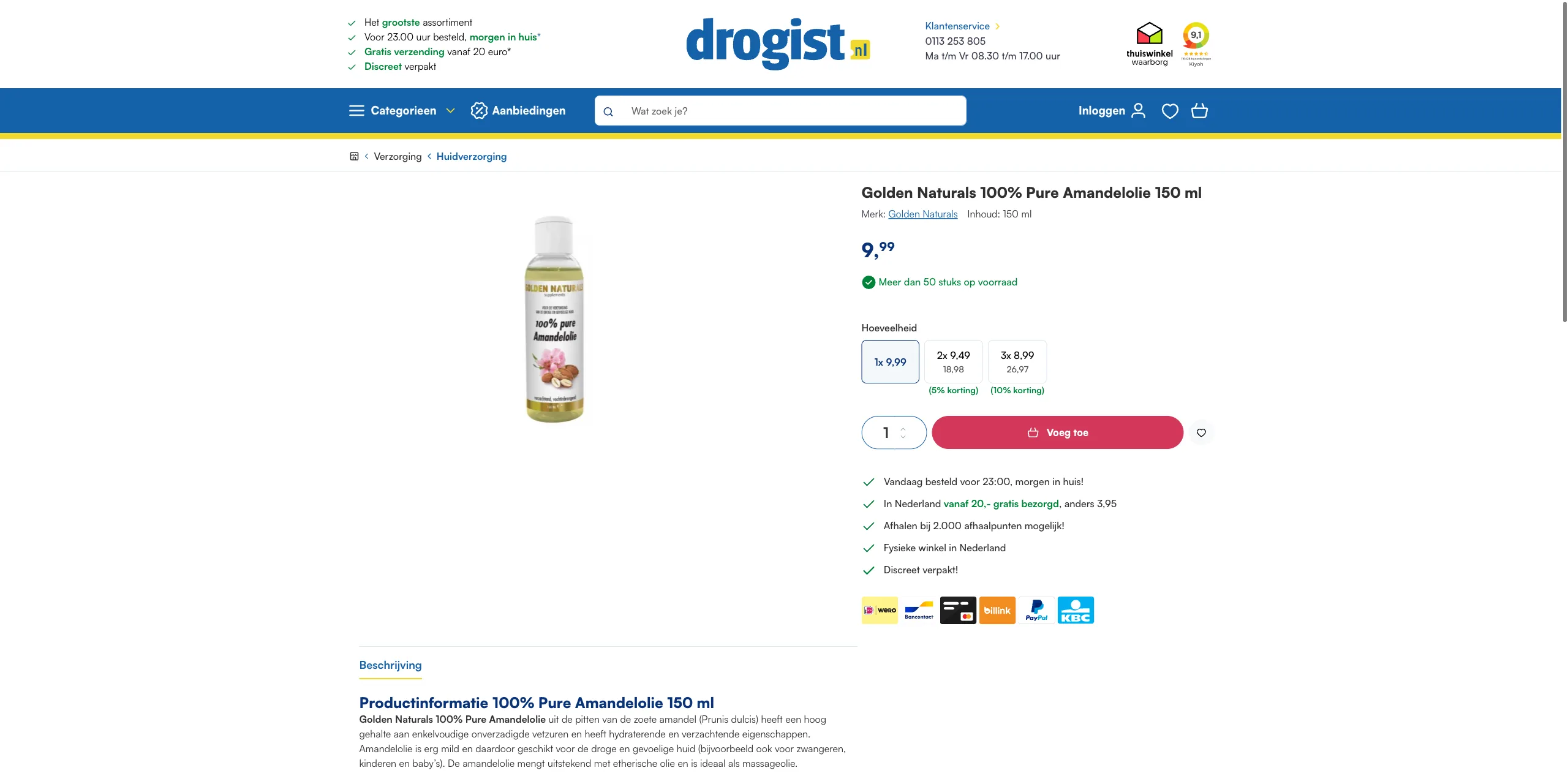
If the price is still wrong after these checks, report it with Report Incorrect Data on the monitored URL — our engineers will use your report to fix the extraction.